By Simmons Oven Cleaning · Reviewed October 29, 2026 · Planning guidance. Follow your equipment manual and local requirements.
Does uneven baking always mean a heating element has failed?
No. Uneven baking can have several causes, including airflow, settings, loading, deposits or equipment faults. A change in results should be documented with the model, normal settings and where the problem appears. Cleaning may address deposits, but it cannot establish that an element, sensor or control is working correctly.
Do not repeatedly increase the temperature to hide a changing result without understanding the cause. Save fault codes and note whether the symptom affects one chamber, one side or the whole unit. That information can help the service technician choose the right diagnostic process.
What symptoms require stopping and getting qualified help?
Follow the manufacturer’s safety instructions when there is smoke outside normal operation, a burning electrical smell, visible damage, repeated protective-device trips or a fault that makes operation unsafe. Stop using affected equipment as directed and contact qualified service. Do not repeatedly reset a breaker or bypass a safety control to keep production moving.
Kitchen staff should not open energized electrical housings or measure live components. A technician needs the correct service documentation and safe procedures. This guide describes what to report, not how to repair electrical or gas equipment.
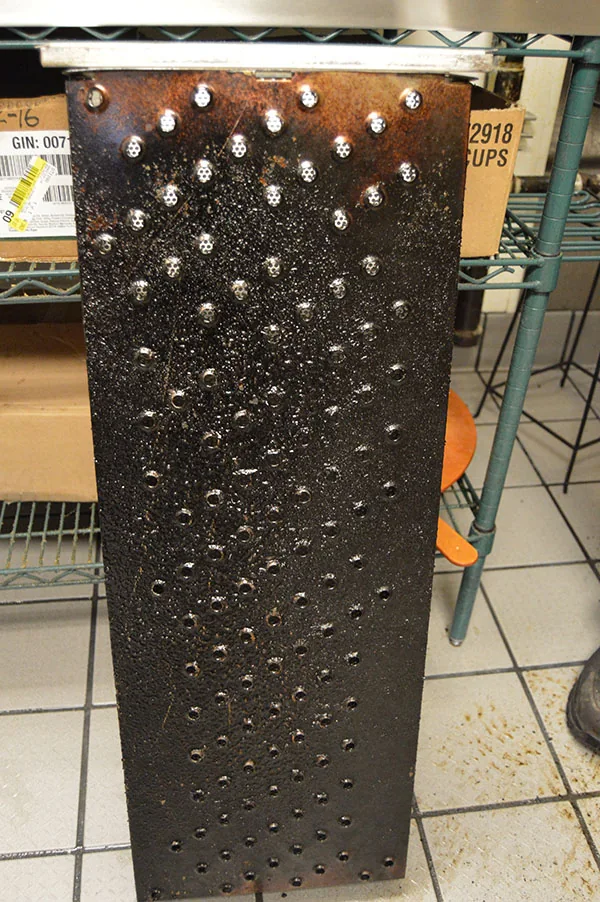
Can deep cleaning repair a failed heating element?
No. Removing carbon or grease is different from repairing a failed component. Cleaning may form part of an equipment-care plan, but a failed element, damaged wiring or a control fault needs qualified diagnosis and repair. Tell the cleaning provider about known faults before work so the scope and access can be reviewed.
Avoid booking repeated cleans as a substitute for a service assessment when performance keeps changing. If a technician needs access before cleaning, coordinate the order of work. Keep repair and cleaning records together so the manager can see what was actually done.
What information should a manager give the technician?
Provide the make, model, serial number, fault codes and a short description of what changed. Include normal recipe settings, preheat behavior and whether the issue affects one chamber or the full unit. Record symptoms from safe observation; do not remove covers or perform electrical tests just to complete the report.
The linked manufacturer service manual illustrates why diagnosis is model-specific and belongs with qualified service. Your own oven may use a different design and procedure. Use its exact documentation and an appropriate service provider.
- Make, model and serial number.
- Fault code or visible operating symptom.
- When it began and which chamber is affected.
- Recent cleaning, repair or setting changes.