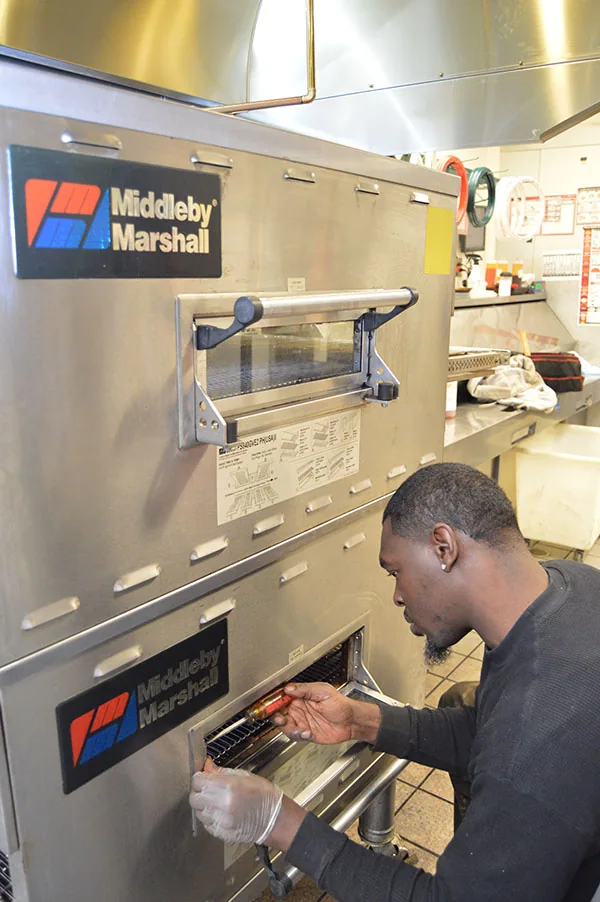
Which kitchen equipment can be included in a cleaning plan?
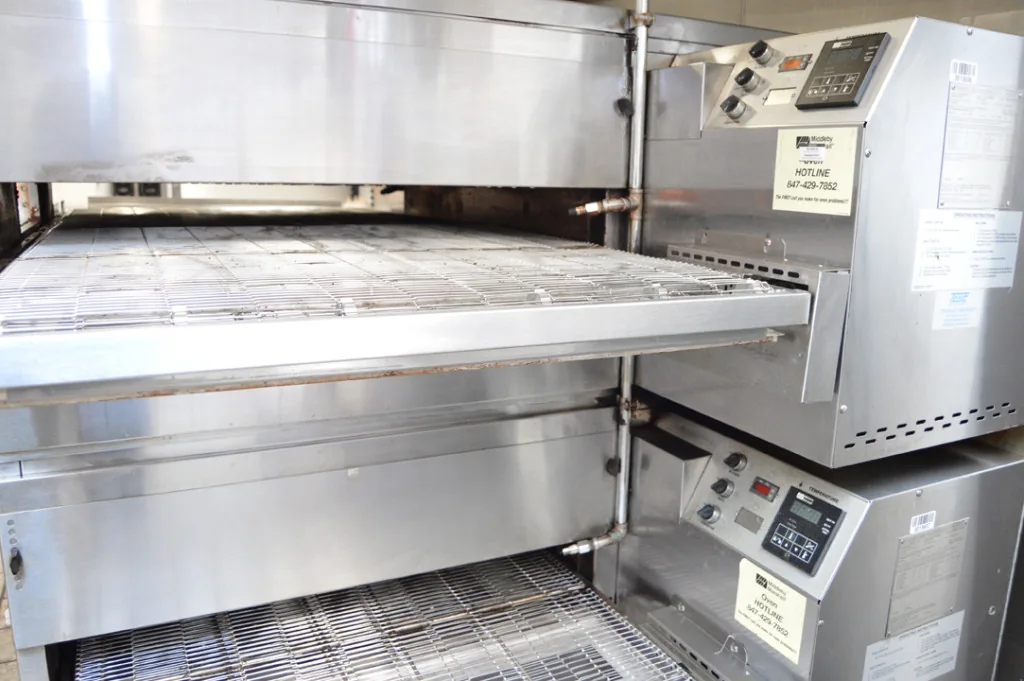
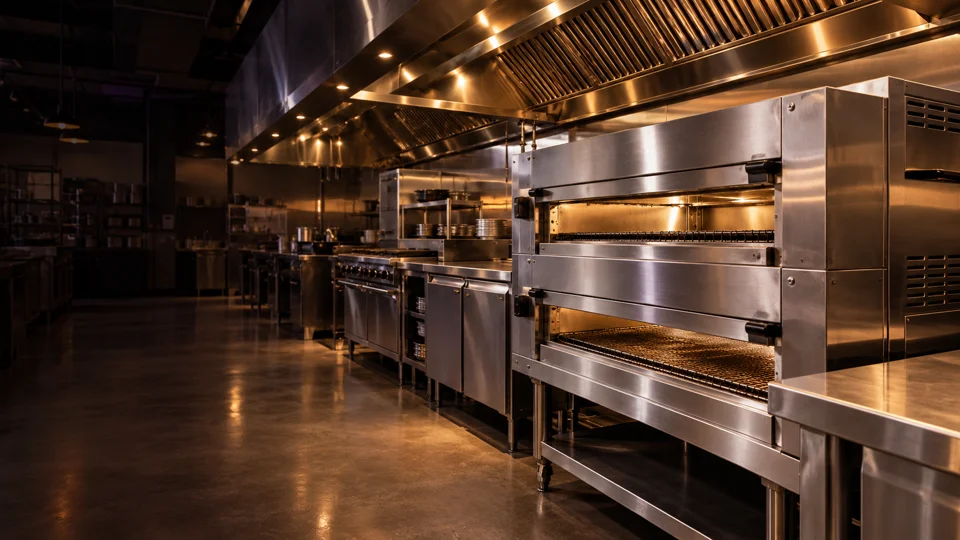
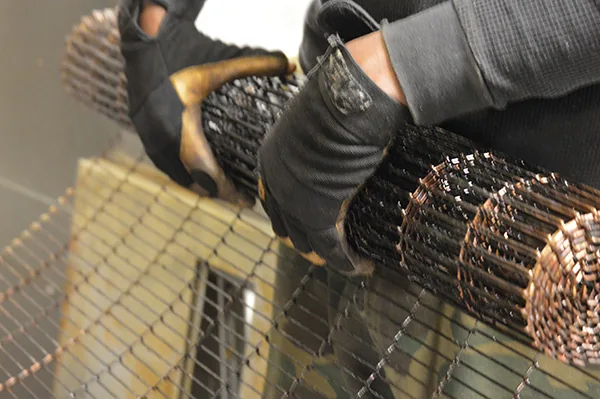
A kitchen equipment scope can include commercial ovens and other agreed cooking-line equipment, along with accessible exterior and removable surfaces. Share your inventory and photos before booking. Each unit needs a suitable method based on its material, manufacturer instructions, condition and safe access, rather than one chemical treatment for everything.
List each unit by make, model and quantity. Distinguish food-contact parts from nearby nonfood-contact surfaces. Tell us about coated finishes, fragile controls, known leaks and loose components before work is planned. The written scope should resolve any uncertainty about fryers, griddles or other specialist equipment.
How do you protect controls and sensitive parts?
Protection starts with identifying the model, the cleaning limits in its manual and the components that must stay dry or untouched. Power isolation, cooldown and safe access need to be planned before work starts. Electrical housings, gas fittings and sealed assemblies require the right qualified service, not improvised washing.
Show damaged seals, exposed wiring and faulty switches in the initial review. A cleaning team should not conceal a mechanical issue by making the outside look new. Ask which parts are included and which will be left for a technician to inspect or repair.

Can we clean equipment without losing the whole line?
A phased plan can help when several units cannot be taken out of use together, but it depends on your layout and safe separation of work. Tell us which equipment supports each shift. We can discuss a practical sequence and confirm what must stop operating during the agreed cleaning window.
Map the critical units before choosing dates. Prep teams, delivery access and shared ventilation may limit which units can stay active. Do not rely on a promise of zero downtime before the scope and equipment conditions have been reviewed.
What is the difference between cleaning and sanitizing?
Cleaning removes soil such as grease and food residue. Sanitizing is a separate step for appropriate food-contact surfaces, using a suitable process after cleaning. The correct product, concentration and contact time depend on the surface, label instructions and applicable requirements. A shiny surface alone does not show that sanitizing was done.
Keep daily food-contact sanitation procedures in place alongside periodic equipment cleaning. Your manager should confirm the opening checks and approved products for the site. The FDA Food Code is a model reference; your local adopted rules and equipment instructions determine the applicable requirements.