By Simmons Oven Cleaning · Reviewed October 29, 2026 · Planning guidance. Follow your equipment manual and local requirements.
Is daily cleaning the same as a professional deep clean?
No. Daily care deals with the routine tasks authorized in the oven manual, such as managing crumbs or cleaning specified accessible parts after safe shutdown. A professional deep clean is a separate scope for more persistent deposits and agreed internal areas. Both need methods that suit the model and its materials.
Do not replace the operator manual with an internet checklist. Some components require special handling or must not be washed. Keep the manual accessible and train staff on the tasks they are authorized to do. Professional service does not remove the need for routine staff care.
Can we set a fixed weekly or monthly oven schedule?
Use the manufacturer’s stated tasks as the starting point, then review how quickly deposits return in your actual kitchen. Some manuals separate daily, weekly and other periodic work. Those model-specific instructions should not be turned into a universal deep-clean rule for every oven or an inspection requirement for every restaurant.
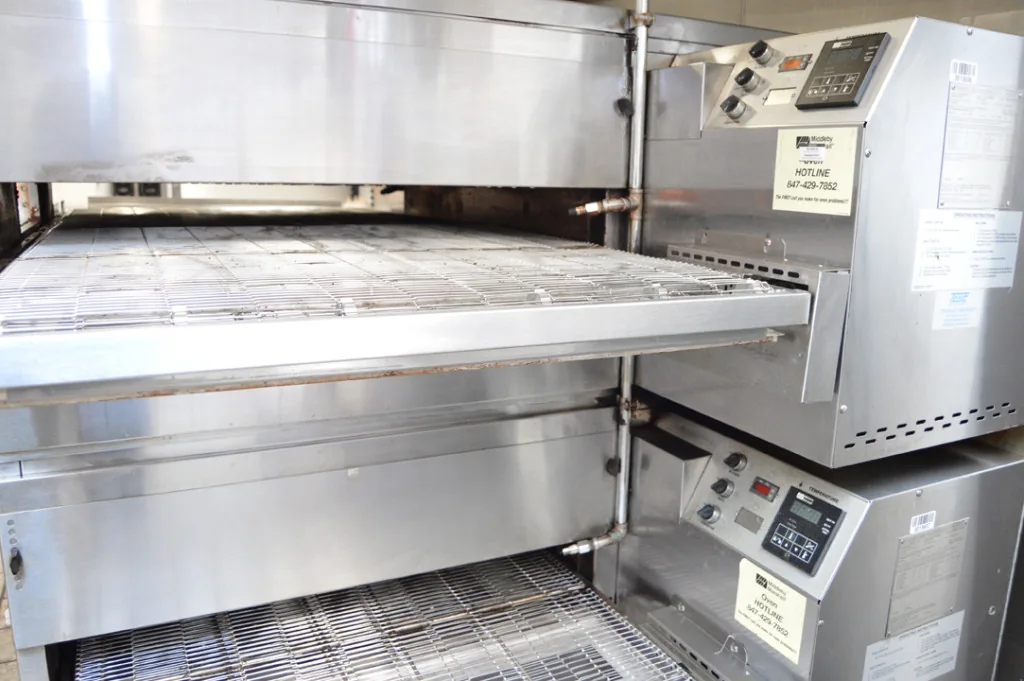
For example, the linked Star 300 Series conveyor manual includes its own daily and weekly care instructions. That schedule belongs to the covered models. Find the manual for your unit before assigning the same tasks to a different conveyor or a stone-deck oven.
What information should a cleaning log capture?
Record the date, oven identity, task completed, person responsible and any unusual deposits or operating symptoms. Note changes in production hours or menu that may affect buildup. Compare the condition before each planned service so the next cleaning decision is based on what the oven actually needs.
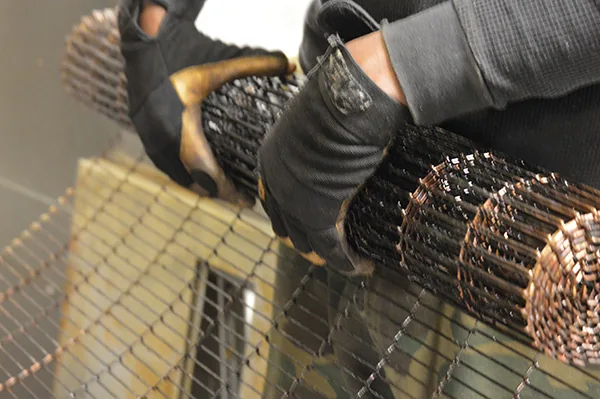
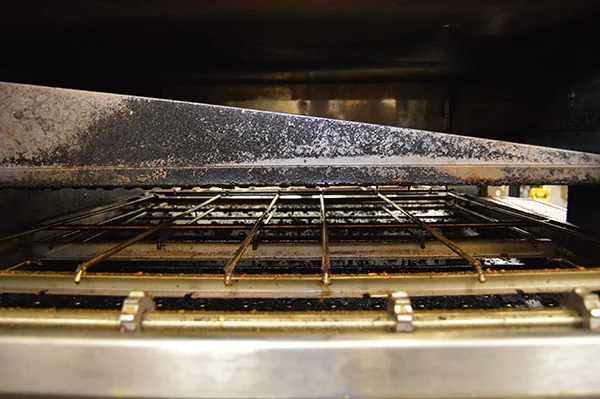
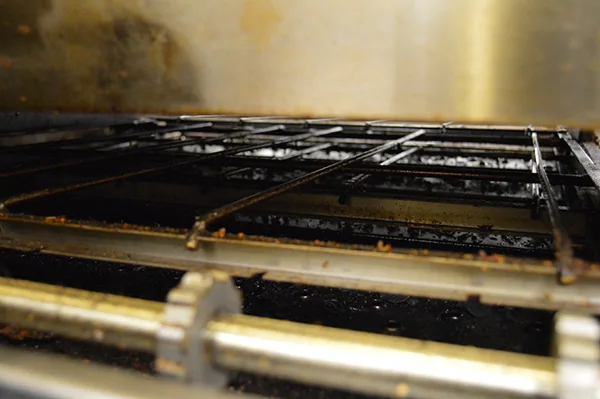
Use one row per oven or chamber. A log is most useful when staff can complete it consistently, rather than collect data nobody reviews. Photograph deposits only from safe, accessible positions after shutdown and cooldown.
- Oven ID, make and model.
- Routine task and completion date.
- Observed carbon, grease or debris.
- Faults referred to a qualified technician.
- Next review date and responsible manager.
When should we request a review sooner than planned?
Request a review when deposits return before the next planned service, access changes or production increases. Smoke, unusual smells, trips, fault codes or changing bake performance may also require qualified equipment service rather than cleaning alone. Follow the manufacturer’s safety instructions and do not keep operating equipment with unsafe symptoms.
Changing a clean date is easier when you know what changed. Share the log, model, photos and symptoms with the relevant provider. A cleaner should not promise that removing carbon will fix a failed element, control or fan.