What is included in a commercial kitchen deep clean?
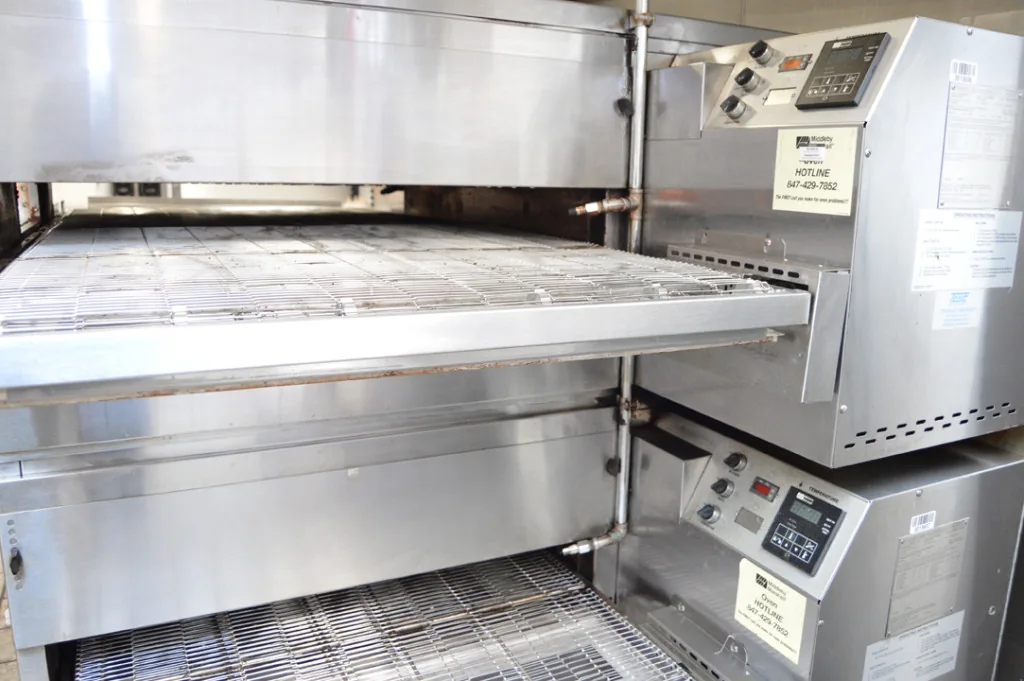
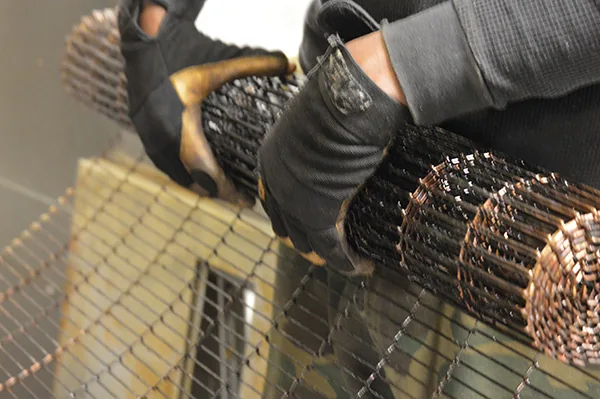
A commercial kitchen deep clean is a defined project, not a universal package. Your scope should name equipment, accessible walls and floors, work areas and any separately priced exhaust work. Confirm the method and limits for each area, including items that cannot be moved or cleaned safely in place.
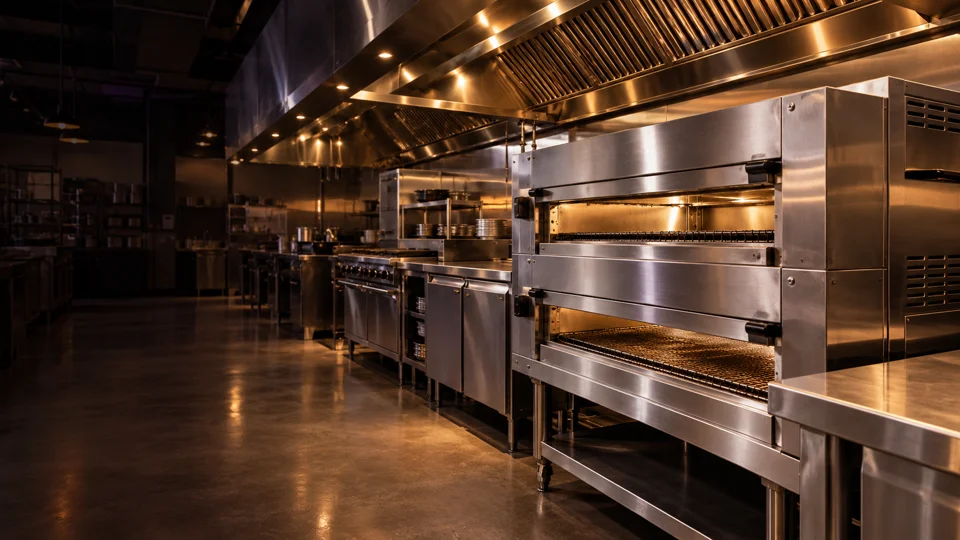
Walk through the kitchen by zone: cooking line, prep, wash-up, storage and access paths. Identify priority deposits and surfaces that need a different treatment. A scope based on actual equipment and photos is more useful than a checklist that silently assumes every item is included.
How should we prepare the kitchen for a deep clean?
Agree preparation with the service team before the visit. A practical plan identifies who removes or protects food, when equipment can cool, how the team enters and who approves the handoff. Staff should follow the equipment maker’s shutdown instructions and leave specialist disconnection or movement to qualified people.
Protect the opening shift by assigning one manager to confirm access and report changes. Mention any early deliveries, shared corridors or security escorts. Keep chemicals and food separated under your normal site procedures. Avoid last-minute equipment movement that changes the agreed scope.
Can you plan work between events or seasonal peaks?
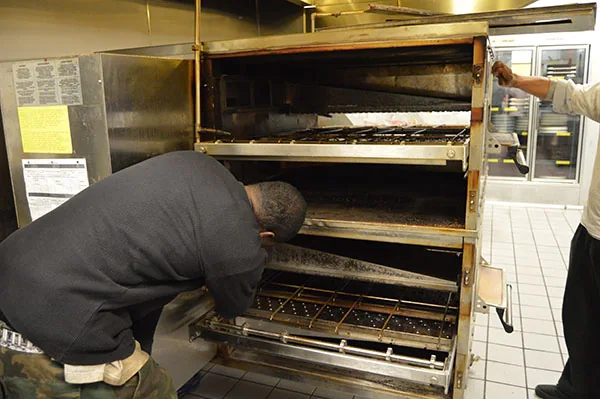
A deep clean can be planned around a quiet day, an event gap or a seasonal reset when availability allows. Share the last service time and the first prep task for the next booking. The useful window is the time the kitchen can safely be released, not simply the hours between guests.
For a wedding venue, tasting prep may start before the next event day. For a franchise, dough prep may begin long before doors open. Put those details into the plan so the handoff supports the team who actually needs the kitchen next.
What should happen at the end of the visit?
The handoff should identify completed areas, any access limits and issues that need follow-up. Your manager should review the agreed scope and carry out the site’s normal reopening checks. Allow for drying, correct reassembly and the manufacturer’s restart steps before the kitchen returns to food production.
Keep the work record with the cleaning schedule. Review whether deposits returned earlier than expected and adjust the next scope if needed. A periodic project supports daily cleaning; it does not replace staff food-safety checks or ongoing maintenance.