By Simmons Oven Cleaning · Reviewed October 29, 2026 · Planning guidance. Follow your equipment manual and local requirements.
What should happen before anyone starts cleaning?
Confirm the oven identity, read the correct manual and assign only tasks the person is trained and authorized to perform. Plan shutdown, isolation and cooldown under the manufacturer’s and site’s safety procedures. Protect food and nearby work areas, then verify that the equipment is ready for the agreed cleaning task.
Do not improvise isolation steps for gas, electricity or moving belts. Follow the appropriate site process and use qualified help where required. Take photos for scope planning only from safe positions; do not remove energized covers or reach into moving equipment.
- Match the manual to the make and model.
- Confirm shutdown, isolation and cooldown.
- Protect or remove food under site procedures.
- Review safe access and the authorized task list.
What conveyor components should be identified in the scope?
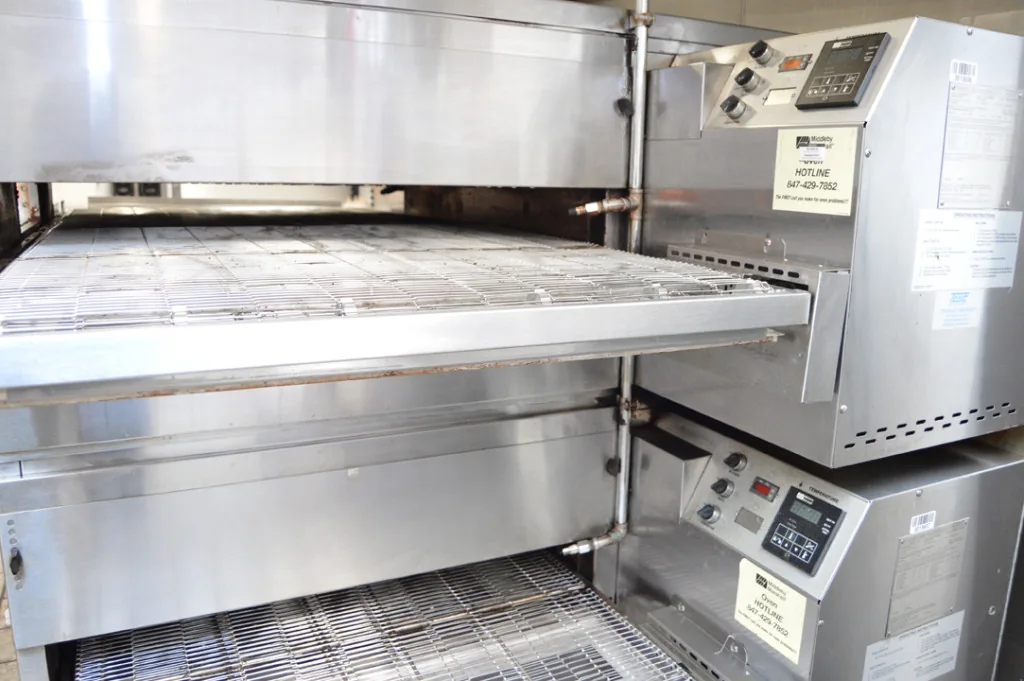
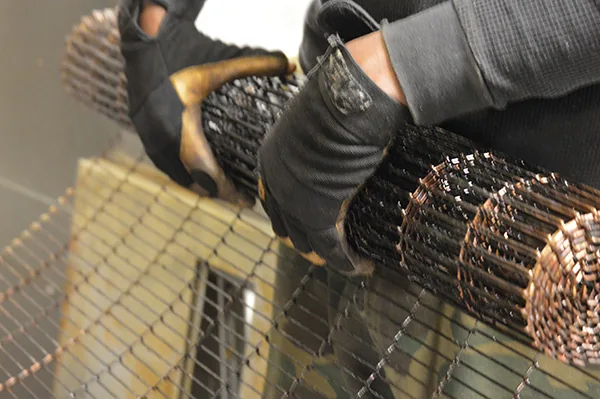
Identify the belt, crumb collection, accessible chamber surfaces and any removable airflow parts covered by the manufacturer’s instructions. Record how parts are positioned before authorized removal. Not every component can be soaked, pressure washed or exposed to oven chemicals, so confirm the method for the actual model before work begins.
Some conveyor ovens use numbered or directional airflow components. Incorrect positioning after cleaning can affect baking. Protect controls and electrical housings, and leave sealed or technician-only assemblies to qualified service. Identify worn or damaged parts for follow-up instead of trying to clean away a mechanical fault.

What should be checked during reassembly and startup?
Follow the manual’s reassembly and startup instructions, confirming that removed parts return to their specified positions. Check that the work area is clear and that the appropriate manager can review normal operation. Do not release an oven to full production simply because its visible surfaces look clean after the work.
Use the manufacturer’s preheat and test process rather than an invented universal temperature or runtime. If belt tracking, unusual noise or bake performance raises concerns, stop and use qualified service. Do not adjust a moving conveyor by reaching into the operating oven.
What should the completed checklist record?
Record the date, oven ID, completed tasks, reassembly review and any items excluded or referred for repair. Note who performed the work and who accepted the handoff. Keep the record with the maintenance log so the next visit starts from the actual equipment condition rather than a repeated generic checklist.
A brief record used every time is better than a complicated form nobody completes. For multiple stores, keep the same reporting format while preserving model-specific task lists. Review deposits before setting the next service date.
- Date and oven identity.
- Completed tasks and access limits.
- Parts or faults referred for qualified service.
- Manager handoff and next review.