By Simmons Oven Cleaning · Reviewed October 29, 2026 · Planning guidance. Follow your equipment manual and local requirements.
What parts belong to each cleaning scope?
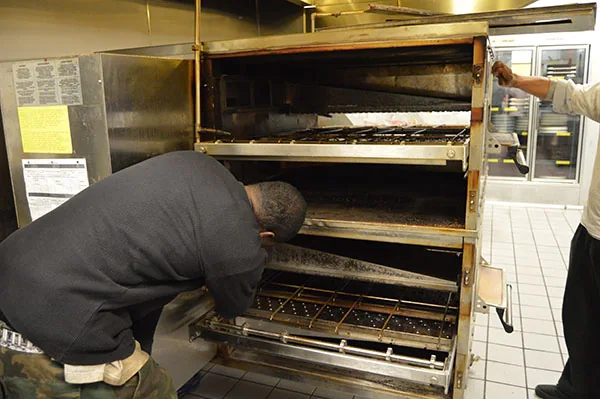
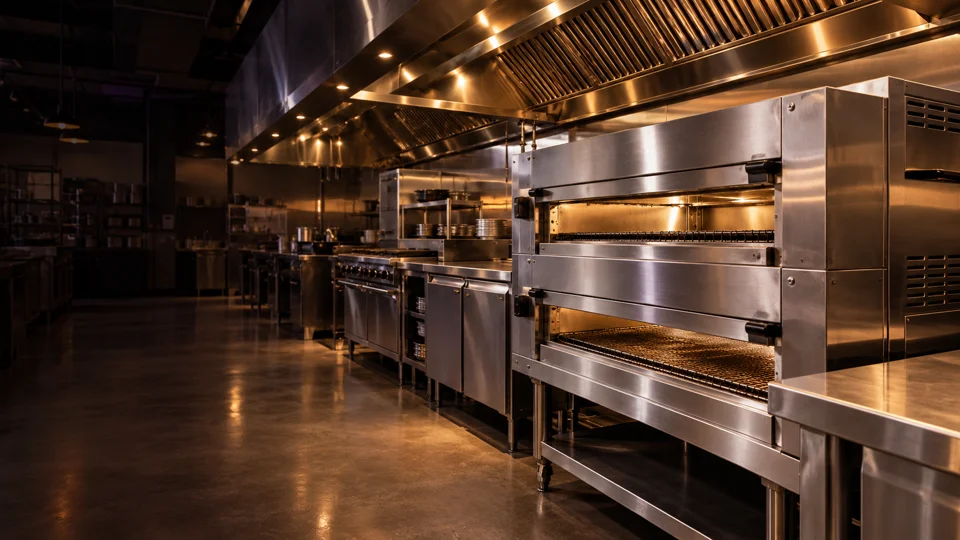
An oven scope can cover agreed chamber surfaces and removable components for the particular model. An exhaust scope should separately identify the hood, filters, ductwork, fan and access limits. Confirm the exact included areas in writing, because polishing a hood face is not the same as addressing the full exhaust pathway.
Some projects need both scopes on the same visit; others need separate dates or providers. Access, cooldown, roof permission and kitchen release can affect the plan. List every system rather than describe the request only as a general kitchen clean.
Does an oven-cleaning schedule cover the exhaust system?
No. Exhaust inspection and cleaning needs depend on the cooking operation, fuel, deposits and applicable requirements, while oven care follows the equipment’s own instructions and condition. Ask the responsible fire authority and insurer about the exhaust schedule. Keep separate records so one invoice does not hide a gap in the other system.
Do not copy a generic number of months from an oven checklist into an exhaust-maintenance plan. A change in menu, hours or cooking method may need a new review. Cleaning also remains separate from fire-suppression servicing and mechanical repair.

Who should confirm access before exhaust work?
The kitchen manager should identify who controls each relevant area, including roof access, shared building spaces and system access points. A landlord or property team may need to authorize entry. Confirm those arrangements before scheduling and ask the provider to identify inaccessible sections rather than imply they were cleaned.
Do not climb, open a hot system or remove restricted panels for a quote photo. Use safely available images and existing plans where appropriate. If access changes are required, plan them with the relevant qualified provider and property authority.
How do I request both services without missing anything?
Send an oven inventory and a separate hood-and-exhaust description, including available photos, system count and access restrictions. State the work window and next prep time. Ask for an itemized scope that distinguishes cooking equipment from ventilation so you can review the complete plan and any exclusions before booking.
For a larger group, label every system by site and kitchen. Keep the completed-work notes with the manager’s maintenance records, and assign follow-up for inaccessible areas or faults. A clean surface is useful, but a clear scope is what makes the service record meaningful.